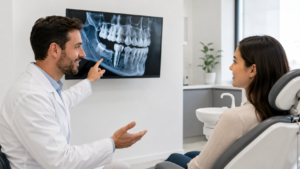

A root canal treatment is designed to relieve pain but the healing process is still underway. A certain amount of soreness and discomfort afterwards is perfectly normal and nothing to be alarmed about. The important thing is knowing what to expect, how to manage it at home, and when a symptom is worth flagging to your dentist.
Immediate and Normal Side Effects
For the first 24 to 48 hours after a root canal, some degree of discomfort is completely expected. The tissue surrounding the root tip has just been through a procedure and a little inflammation is your body’s natural healing response, not a sign that anything has gone wrong.
Most people experience some combination of the following in the days immediately after treatment.
Tenderness or Soreness Around the Treated Tooth
This is the most common side effect. The area around the root tip also known as the periapical tissue can feel tender, particularly when biting down or applying pressure. This is a direct result of the procedure and should ease noticeably within the first few days.
Mild Swelling in the Gum Tissue
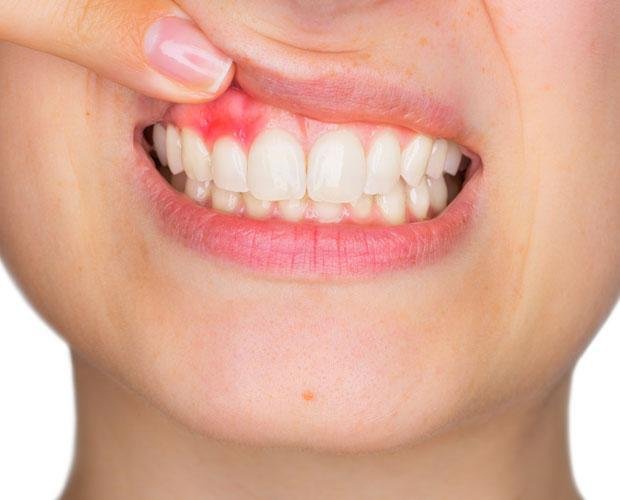
Some puffiness or swelling around the treated tooth is normal. In most cases it is subtle and you may notice it more when touching the area than by looking in the mirror. If swelling is significant or spreading, that is worth flagging to your dentist.
Sensitivity to Pressure

The tooth may feel more sensitive than usual when you bite or chew. This happens because the ligaments and tissue surrounding the root are still in the process of settling. It is not permanent as it is just a sign that healing is underway.
A Slight Jaw Ache
Root canal appointments can run from 45 minutes to over two hours depending on the complexity of the case. Keeping your mouth open for an extended period puts strain on the jaw muscles, which can leave them feeling stiff or achy afterwards. A warm compress applied to the jaw can help ease this discomfort.
The Tooth May Feel Slightly “Off” When You Bite
After a root canal treatment, the tooth may feel higher or more prominent than usual when your teeth come together. This is typically because a temporary filling has been placed, which can sit slightly differently to your natural bite. It almost always settles and once your permanent crown is fitted, your bite should feel completely normal again.
Most people find that symptoms peak within the first 24 to 48 hours and steadily ease from there. By day three or four, the majority of patients are back to their normal routine with little to no discomfort. Everyone’s recovery is slightly different, but the trajectory is almost always in the right direction.
How to Manage Root Canal Treatment Side Effects at Home
Post-root canal discomfort is very manageable. A few simple steps can make your recovery significantly more comfortable.
Take Over-the-Counter Pain Relief
Ibuprofen is generally the most effective option as it tackles both pain and inflammation at the same time. Paracetamol is a good alternative if ibuprofen isn’t suitable for you and if you have a sensitive stomach or have been advised to avoid anti-inflammatory medication. Stick to the recommended dosage and and if you’ve been prescribed antibiotics or other medication alongside your treatment, make sure to complete the full course as directed. When in doubt, check with your dentist or pharmacist.
Eat Soft Foods for a Few Days
Your treated tooth is still vulnerable especially before the permanent crown is fitted. The last thing it needs is the pressure of hard, crunchy, or chewy foods bearing down on it while it’s still healing.
Stick to soft, easy-to-eat options that are gentle on both the tooth and the surrounding tissue. Good choices include:
- Yoghurt and soft dairy products
- Mashed potatoes and soft-cooked vegetables
- Soups and broths
- Scrambled or soft-boiled eggs
- Bananas, avocado, and other soft fruits
- Oatmeal or porridge
Chew on the Opposite Side
Until your permanent crown is in place, the treated tooth is more structurally vulnerable than usual. A temporary filling is holding things together in the meantime and it is not as robust as a permanent restoration.
Making a conscious effort to chew on the opposite side reduces pressure on the treated tooth, lowers the risk of dislodging the temporary filling and helps avoid unnecessary discomfort while the area is still healing. It may feel a little awkward at first, but it quickly becomes second nature.
Keep the Area Clean
Continue brushing twice a day and floss gently around the treated tooth. If the gum feels too sensitive for regular flossing in the first day or two, an antibacterial mouthwash can help keep the area clean in the meantime. Good oral hygiene during recovery can actively support the healing process and help the surrounding tissue settle more quickly.
Avoid Extremes of Temperature
The treated tooth and surrounding tissue can remain sensitive to temperature for several days following a root canal. Very hot drinks and very cold foods like ice cream or iced beverages can aggravate that sensitivity and cause a sharp and uncomfortable reaction.
It is advised to opt for room-temperature food and drinks for the first few days. Once the permanent crown is fitted and the tooth has fully settled, you can go back to enjoying your morning coffee at whatever temperature you like.
When “Side Effects” Become “Red Flags”
Most root canal treatment side effects resolve within 2 to 3 days. But occasionally, what feels like normal soreness can signal something that needs closer attention.
Contact your dentist promptly if you notice any of the following:
Warning Sign | What It Could Mean |
Severe or worsening pain after a few days | Possible incomplete treatment or reinfection |
Significant swelling that is spreading | Infection may not have fully cleared |
Fever | Sign of persistent or spreading infection |
Loose or lost temporary filling | Tooth is exposed to bacteria and risk of reinfection |
Rash, itching, or difficulty breathing | Possible allergic reaction to prescribed medication |
Experiencing Discomfort After Your Root Canal Treatment? We’re Here to Help.

Recovery after a root canal treatment should be straightforward but if something doesn’t feel right, don’t sit with it. Whether you have concerns about your healing or need to schedule a follow-up, the team at Chin & Lim Dental Penang is here for you.