Missing teeth can affect more than your smile. They can make chewing harder, change the way you speak, affect your bite, and gradually reduce your confidence in daily life.
For many patients, dental implants in Penang offer a long-term way to replace missing teeth with a restoration that looks, feels, and functions close to a natural tooth. At Chin & Lim Dental, dental implants are planned with X-rays, 3D scans where needed, and a personalised treatment plan based on your oral health, jawbone condition, and smile goals.
What Are Dental Implants?
A dental implant is a small biocompatible post that is placed in the jawbone to act like an artificial tooth root. It is usually made from titanium, a material commonly used in medical and dental treatments because it works well with the body. After healing, the implant supports a crown, bridge, or denture.
A complete dental implant restoration usually has three main parts:
Part | What it does |
Implant post | Placed into the jawbone to act like a tooth root |
Abutment | Connects the implant post to the replacement tooth |
Crown, bridge, or denture | The visible tooth or teeth that restore your smile |
Dental implants are commonly used to replace one missing tooth, several missing teeth, or even a full arch of teeth. Depending on the case, options may include single implants, implant-supported bridges, implant-supported dentures, or All-on-4 style treatment.
Types of Dental Implants Available
The implant option depends on the number of missing teeth, bone condition, bite, budget, and treatment goals.
Endosteal Implants
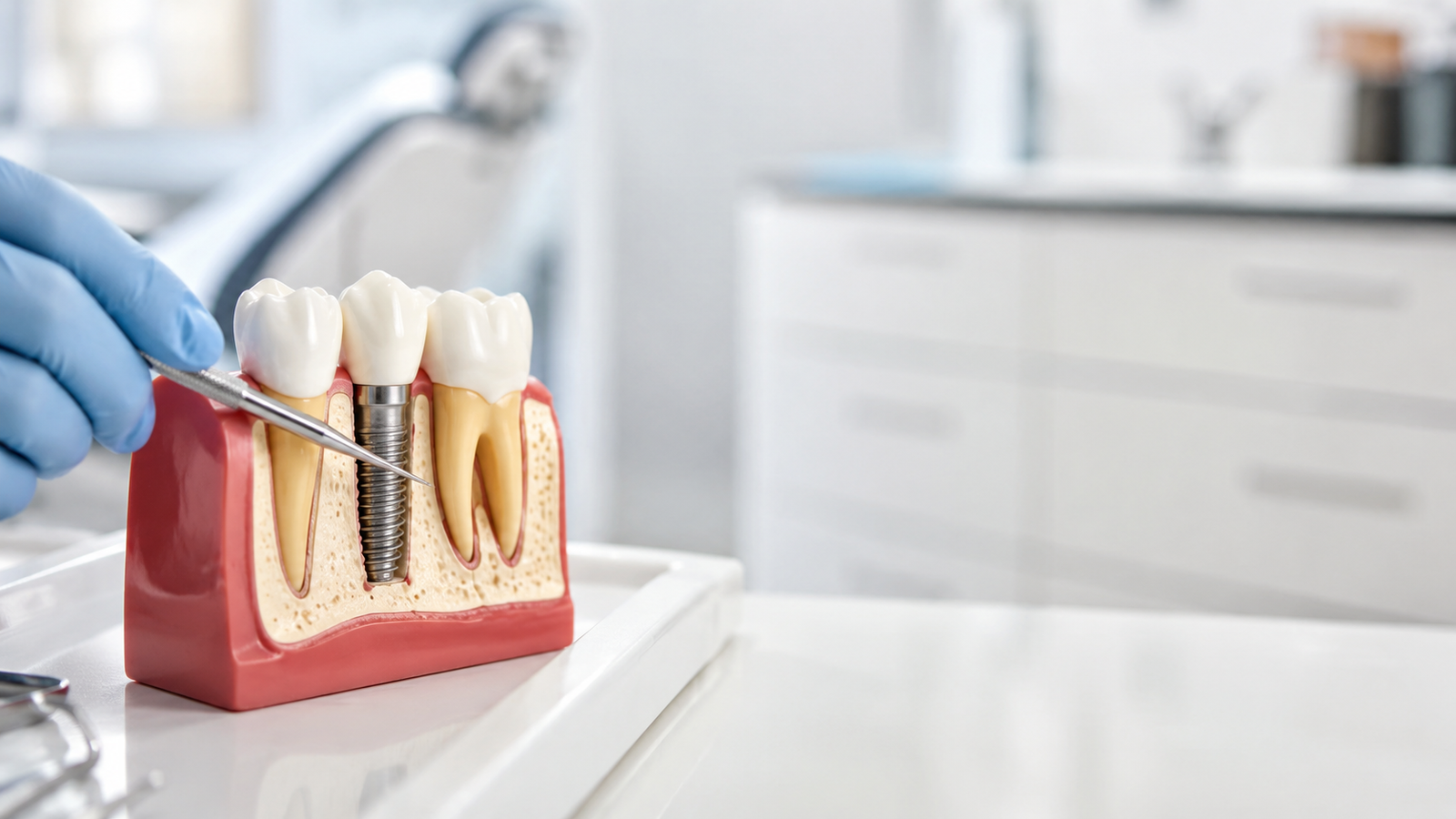 These are screw-like titanium posts placed directly into the jawbone. They are the most widely used type and are suitable for patients with adequate bone volume and density. They can support single crowns, bridges, or dentures.
Subperiosteal Implants
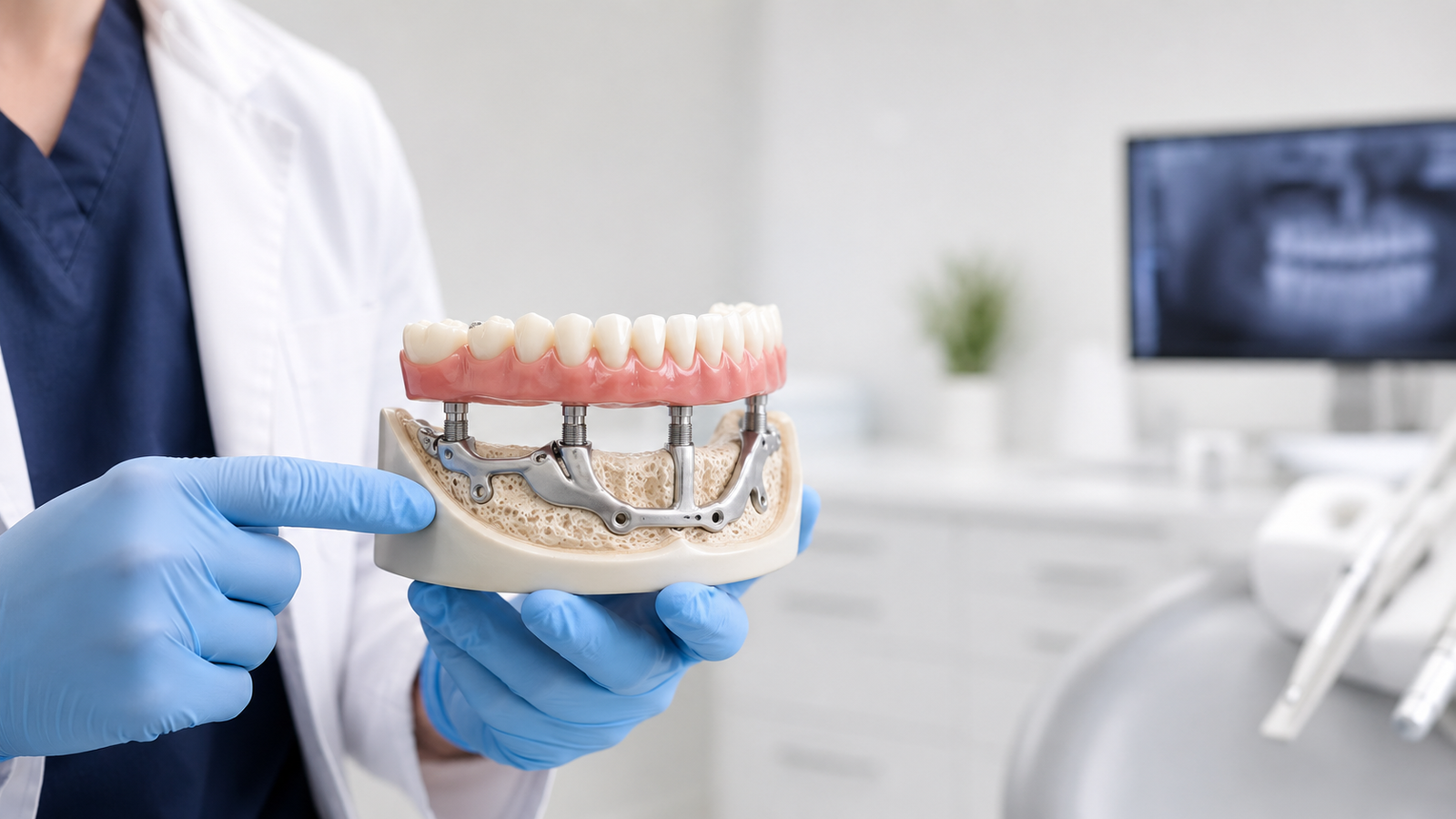 Rather than being placed inside the jawbone, these implants sit on top of the bone beneath the gum tissue. They are typically recommended for patients who do not have sufficient bone height for endosteal implants and are not candidates for bone grafting.
Implant-Supported Dentures
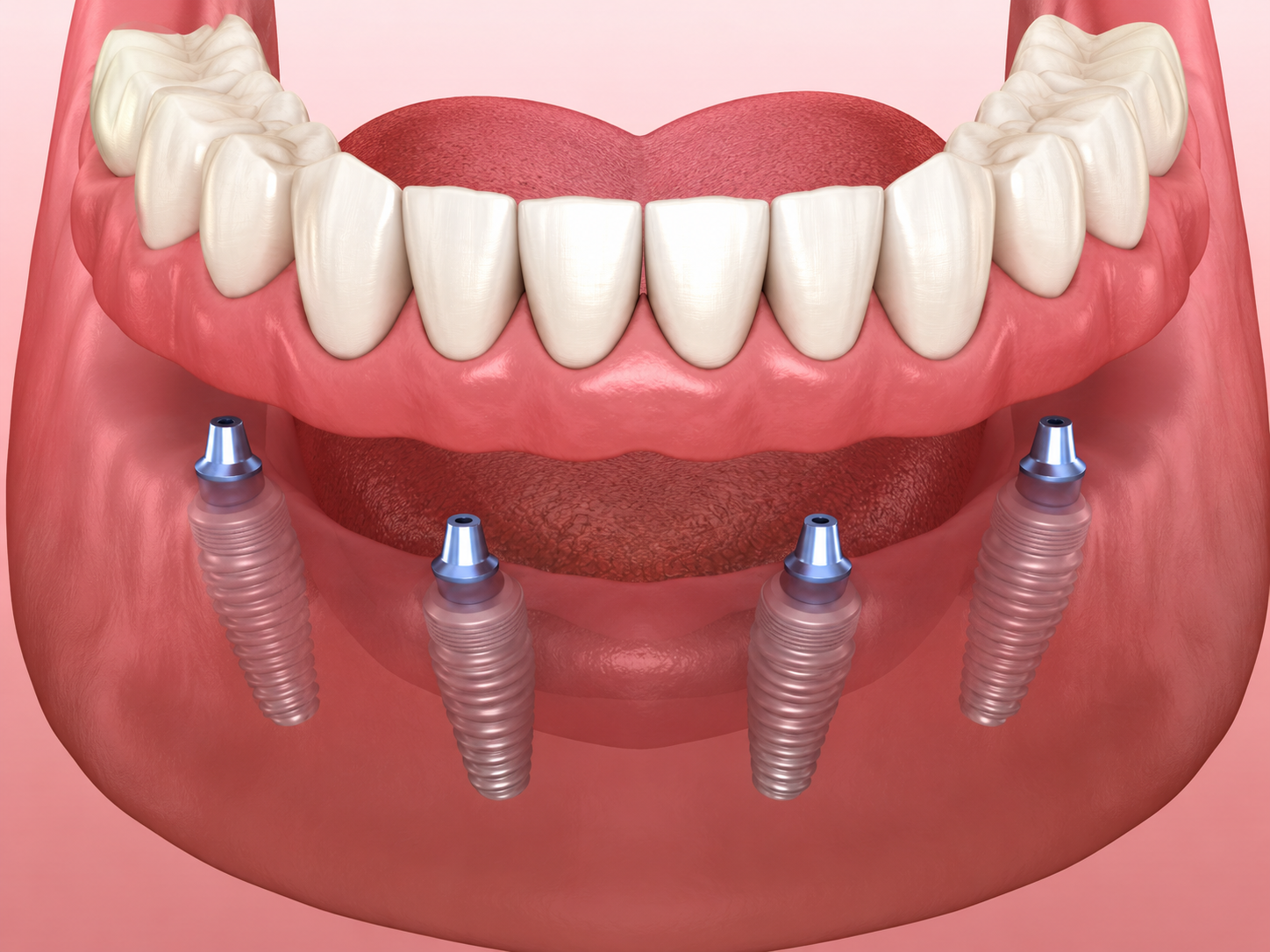 These use a small number of implants to anchor a removable or fixed denture in place. Unlike traditional dentures, they do not slip or cause discomfort while eating or speaking.
All-on-4 Dental Implants
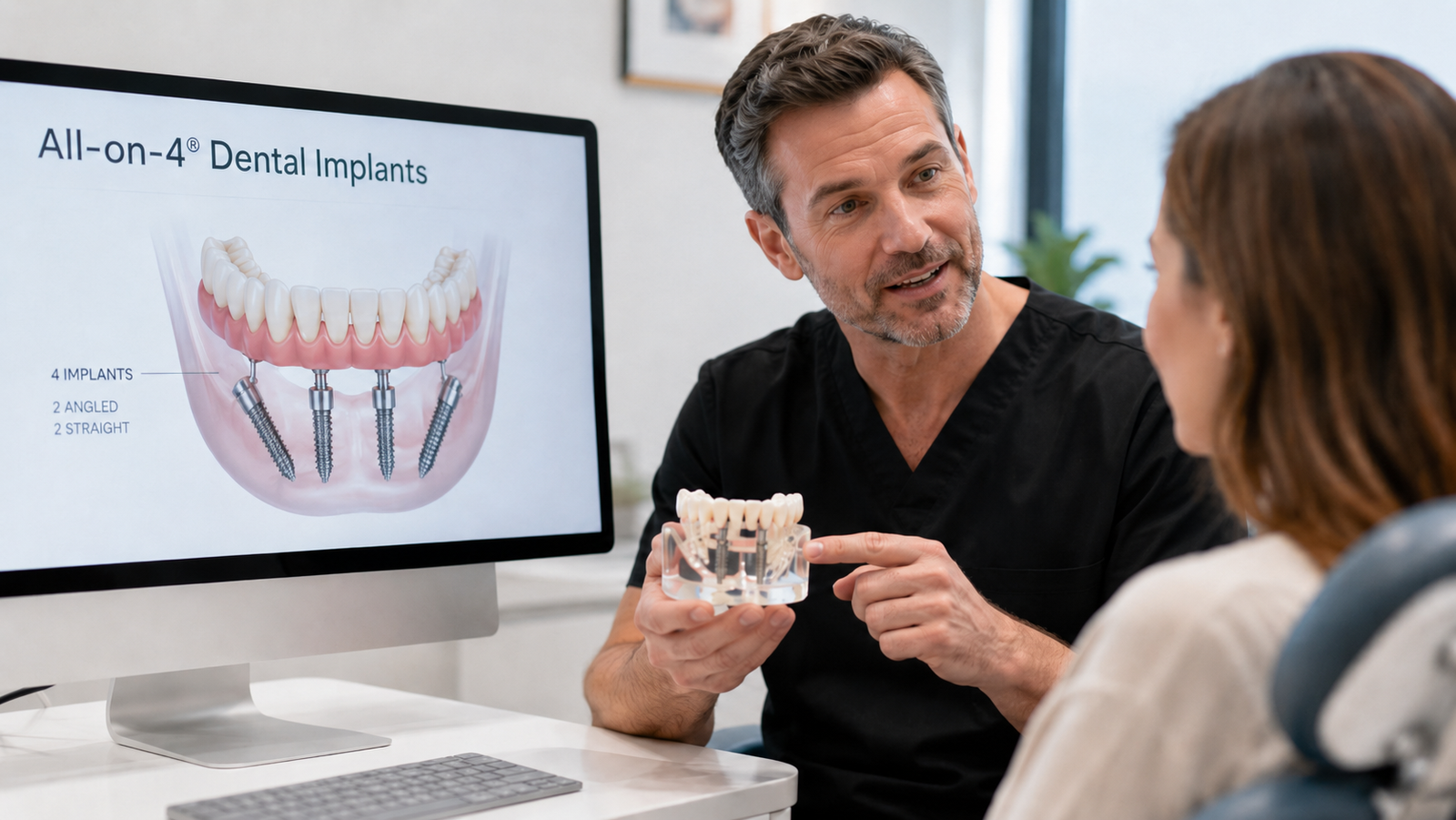 The All-on-4 system uses just four strategically angled implants to support a full arch of replacement teeth. This is a highly efficient solution for patients who have lost most or all of their teeth in one jaw. In many cases, temporary teeth can be placed on the same day as surgery.
Who Is Suitable for Dental Implants?
Dental implants are suitable for most healthy adults, but a thorough clinical assessment is essential. You may be a good candidate if you:
- Have one or more missing teeth
- Have a fully developed jawbone
- Have adequate bone density to support the implant (or are willing to undergo a bone graft)
- Do not have uncontrolled chronic conditions such as unmanaged diabetes
- Are a non-smoker or willing to quit during the healing process
- Have healthy gums free of active periodontal disease
- Are committed to good oral hygiene and regular dental check-ups
Conditions such as diabetes, osteoporosis, or certain medications may affect healing outcomes but do not necessarily disqualify you. Your dentist will review your full medical history and take a 3D CT scan or X-rays to assess your jawbone structure before making a recommendation.
Dental Implant Procedure: Step-by-Step
Dental implant treatment usually happens in stages. The timeline can vary, but the general process is similar for many patients.
Step 1: Initial Consultation and Treatment Planning
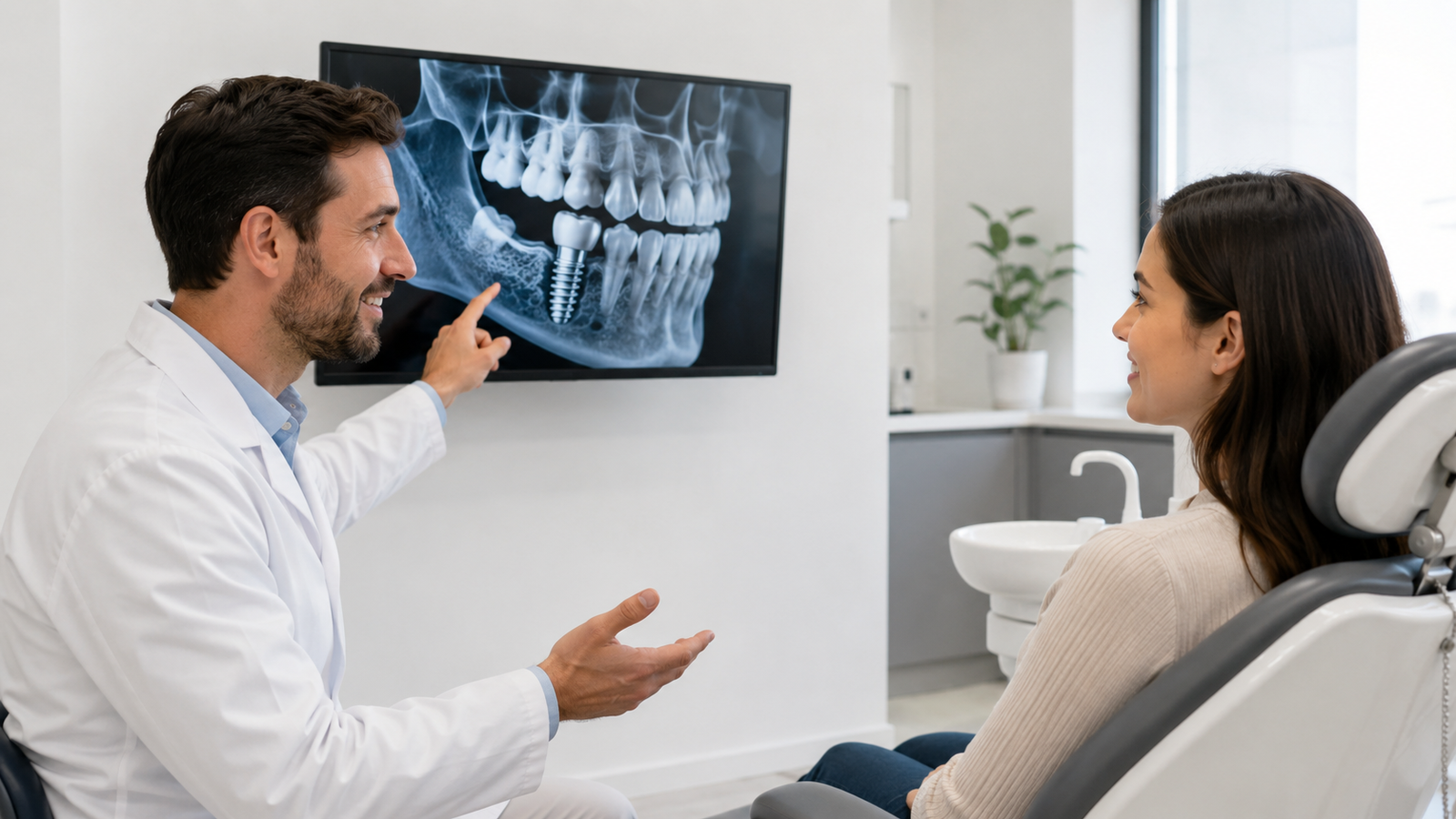
Your dentist will conduct a comprehensive oral examination including digital X-rays or a cone beam CT scan to assess bone volume. A detailed treatment plan is then created, outlining the number of implants needed, whether preparatory procedures are required, and a projected timeline.
Step 2: Preparatory Procedures (If Needed)
Some patients require additional work before implant placement:
- Tooth extraction — if the damaged tooth hasn’t already been removed
- Bone grafting — to build up insufficient bone volume
- Sinus lift — for upper jaw implants where the sinus is too close to the implant site
- Periodontal treatment — to address any gum disease
These preparatory steps, if needed, typically add several weeks to months to the overall timeline.
Step 3: Implant Placement Surgery
The implant post is surgically placed into the jawbone under local anaesthesia. The procedure can take anywhere from 15 minutes to two hours depending on complexity. A temporary crown or denture may be placed on the day of surgery in some cases.
Step 4: Healing and Osseointegration
This is the most critical phase. Over the next three to six months, the jawbone gradually fuses with the titanium post. During this time, you’ll have a temporary restoration in place. The success of the entire implant depends on this biological process completing properly.he dentist will monitor progress before moving to the next stage.
Step 5: Abutment Placement and Final Crown
Once healing is complete, the dentist attaches an abutment. This is the connector between the implant post and the final restoration. Then the final crown, bridge, or denture is fitted.
The final restoration is designed to match the bite, tooth shape, and smile. For front teeth, colour and gumline appearance are especially important. For back teeth, strength and chewing function are key.
Benefits of Dental Implants
Dental implants offer a number of advantages over traditional tooth replacement options like bridges or removable dentures:
Natural Appearance and Feel
Implants are designed to look and function exactly like your own teeth. Most people cannot tell the difference.
Durability and Longevity
With proper care, implants can last a lifetime. They don’t decay and don’t need replacing the way crowns or bridges do.
Bone Preservation
When you lose a tooth, the jawbone beneath it begins to deteriorate. Implants stimulate the bone just like a natural root, preventing this bone loss and maintaining your facial structure.
Improved Oral Health
Unlike a traditional bridge, implants do not require adjacent teeth to be shaved down or altered.
Restored Confidence
Whether eating, speaking, or smiling, implants offer the stability and comfort that dentures or bridges often cannot.
High Success Rates
Studies report dental implant success rates as high as 98%, making them one of the most reliable procedures in modern dentistry.
Recovery: What to Expect After Implant Surgery?
Immediate post-surgery discomfort is normal and typically manageable with prescribed pain relief. Common experiences in the first few days include mild to moderate pain or pressure at the implant site, swelling of the gums and surrounding facial tissue, minor bruising or light bleeding for 24–48 hours.
Most patients return to normal daily activities within a few days. The full healing process including osseointegration takes three to six months. During this time, you’ll be advised to eat soft foods and avoid hard, crunchy items, avoid smoking, which can significantly impair healing, maintain diligent oral hygiene around the implant site and attend all scheduled follow-up appointments.
Why Choose Chin & Lim Dental for Dental Implants in Penang?
Chin & Lim Dental provides dental implant treatment in Penang with experienced dentists, modern diagnostic support, and multiple clinic locations.Patients can expect personalised consultation, X-ray and 3D scan planning where needed, and implant options for single, multiple, and full-arch tooth replacement.
Chin & Lim Dental’s dental implant services include options such as:
- Endosteal Implants
- Subperiosteal Implants
- Denture Implants
- All-on-4 Dental Implants
The benefit of having several locations is convenience. Implant treatment may involve multiple visits, so choosing a clinic that is accessible for consultation and follow-up can make the process smoother.
Ready to Reclaim Your Smile?
Dental implants are a life-changing investment in your oral health, confidence, and quality of life. Chin & Lim Dental Penang can assess the condition of the teeth, gums, and jawbone, then recommend treatment options based on smile goals, function, and budget.
Don’t let a missing tooth define your smile. We can help you restore it permanently. Call us today to schedule your implant consultation and take the first step toward your new smile.