
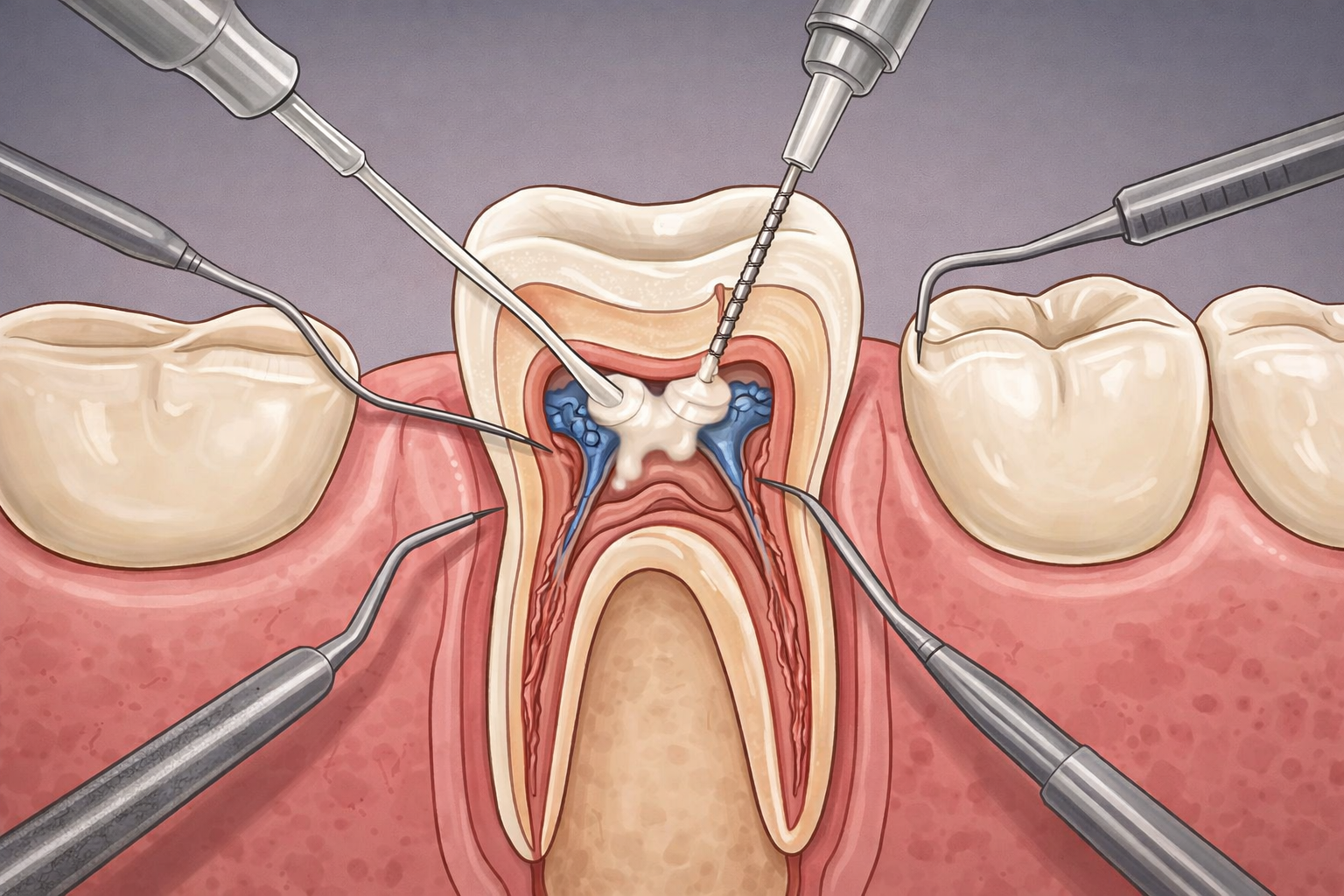
That toothache you’ve been ignoring? It might be trying to tell you something. Dental pain rarely resolves on its own and the longer you wait, the worse it can get. Root canals have an unfair reputation, but getting a root canal treatment early can save your tooth, relieve your pain, and stop a minor infection from becoming far more serious. So how do you actually know if you need one?
Common Signs You May Need a Root Canal Treatment
1. Persistent Tooth Pain

This is the most common symptom. We’re not talking about the occasional twinge from biting down on something hard. We’re talking about a deep, persistent ache that doesn’t go away or pain that comes and goes but keeps returning to the same tooth.
The pain may be felt in the tooth itself, or it may radiate into your jaw, face, or even other teeth. If it’s been bothering you for more than a few days, it’s time to get it checked.
2. Sensitivity to Hot and Cold
Does your tooth hurt when you sip hot coffee or eat ice cream? Sensitivity to temperature isn’t unusual but if that sharp pain lingers long after the hot or cold stimulus is gone, it could be a sign that the nerves and blood vessels inside your tooth are damaged or infected.
A healthy tooth shouldn’t ache for minutes after a cold drink. If yours does, take note.
3. Swollen or Tender Gums
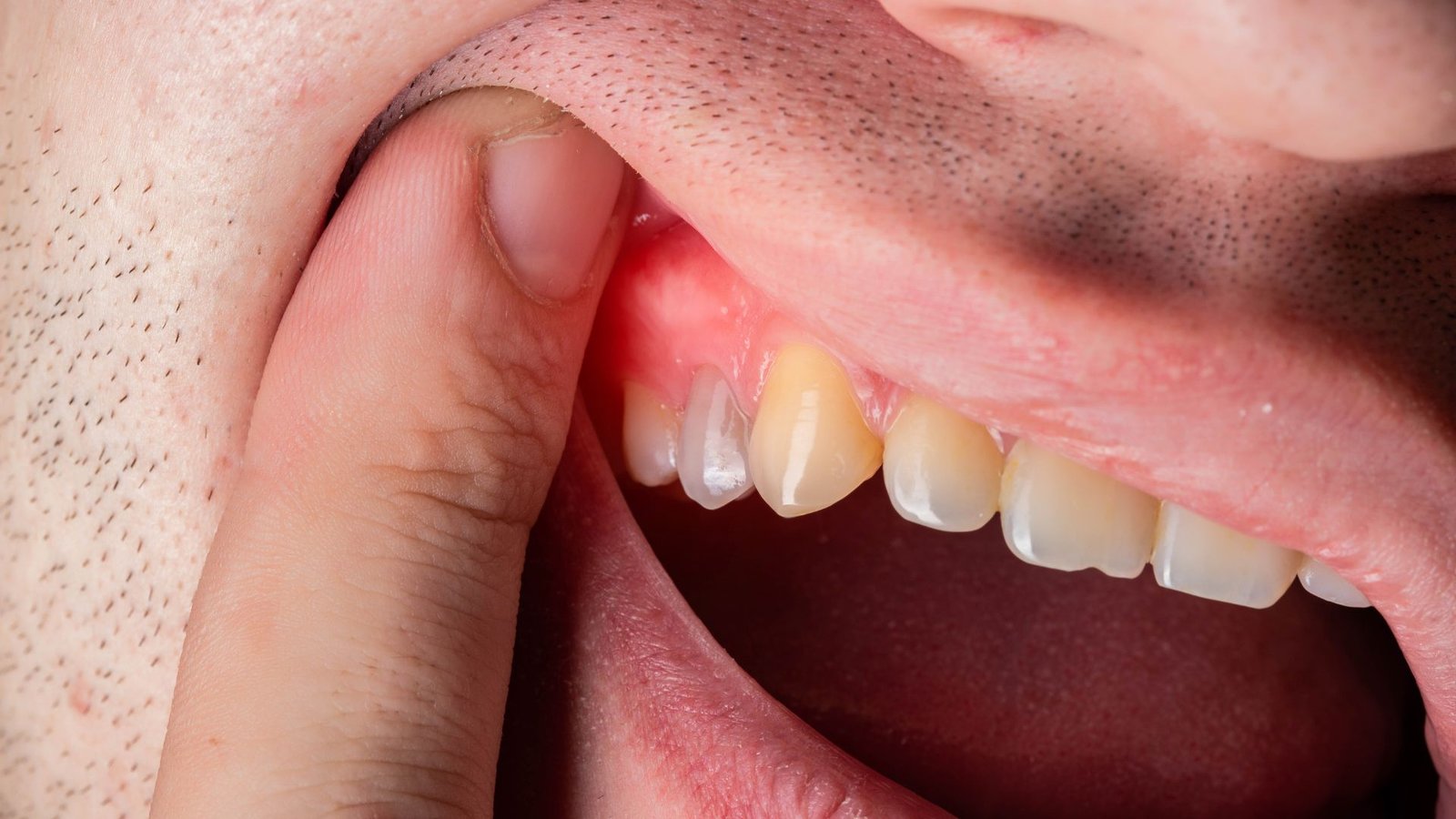
Infected pulp can cause inflammation that spreads to the surrounding gum tissue. You might notice:
- Swelling near the affected tooth
- Tenderness when you press on the gum
- A small, pimple-like bump on the gum (called a dental abscess or sinus tract)
That little bump is actually your body trying to drain the infection. It may occasionally ooze pus, cause a bad taste in your mouth and it’s a clear signal that something is wrong inside the tooth.
4. Tooth Discolouration
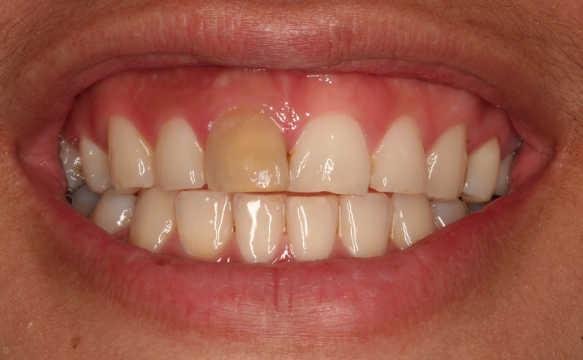
A tooth that has become infected may start to look darker. This happens because the internal tissue is breaking down, and the discolouration shows through the tooth structure.
While tooth staining can have other causes such as coffee, tea, ageing, a single tooth that is noticeably darker than its neighbours deserve a closer look from your dentist.
5. Pain When Eating or Touching the Tooth
If you wince every time you bite down on a particular side, or if even gentle pressure on a tooth causes discomfort, the pulp or the surrounding ligaments may be infected or inflamed.
If it’s been going on for a while, it is one of the classic indicators that root canal treatment may be needed.
6. A Cracked or Chipped Tooth
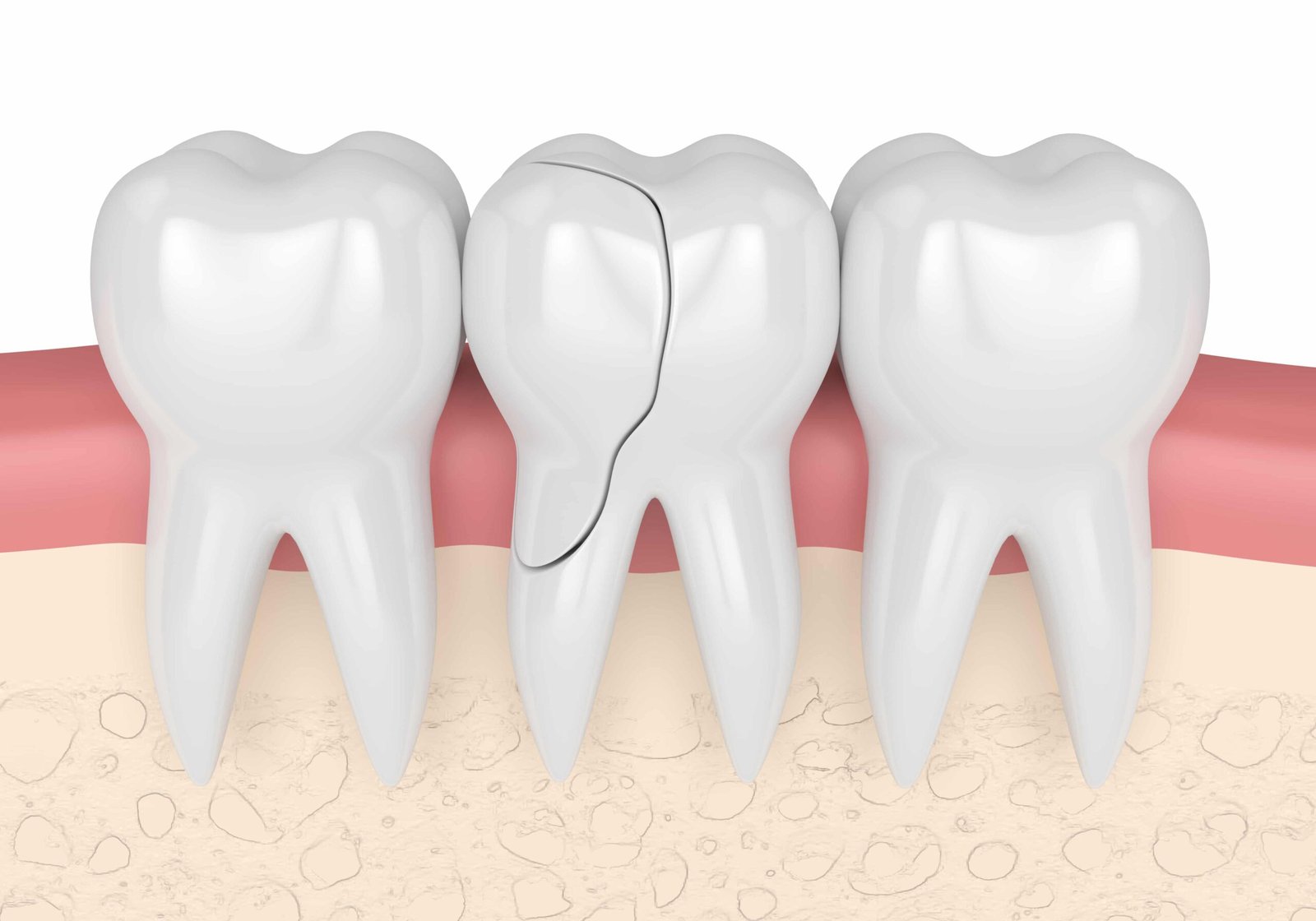
Cracks and chips aren’t just cosmetic concerns. When a tooth cracks deeply enough, it can expose the pulp to bacteria. Even a crack that isn’t visible to the naked eye can allow infection to set in over time.
If you’ve recently chipped or cracked a tooth from a fall, a sports injury, or biting down on something hard, have it evaluated by your dentist even if it doesn’t hurt yet.
7. A Loose Tooth
An infected tooth may feel slightly loose. This happens because the infection produces acidic waste products that can soften the bone around the tooth, causing it to feel less stable. If a tooth feels wobbly and there’s no obvious reason, infection could be the culprit.
What Is a Root Canal Treatment?
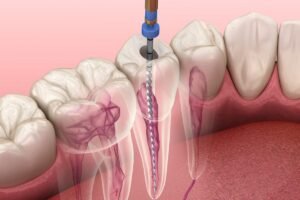
A root canal treatment also known as endodontic treatment is a dental procedure designed to save a tooth. Beneath every tooth’s hard enamel and dentine lies a soft tissue called the pulp which is made up of nerves, blood vessels, and connective tissue. When this pulp becomes infected or inflamed, it causes pain and if left untreated, it can lead to serious complications. Root canal treatment removes the damaged pulp, cleans and disinfects the inner tooth, and seals it to prevent further infection.
How Long Does a Root Canal Treatment Take?
Front teeth are simpler, typically have just one root canal and can be treated in 45 to 60 minutes. Premolars sit somewhere in the middle, usually taking 60 to 90 minutes. Molars, being the largest teeth with up to four root canals, can take anywhere from 90 minutes to over two hours.
Tooth Type | Estimated Duration |
Front teeth (1 root canal) | 45 – 60 minutes |
Premolars (1–2 root canals) | 60 – 90 minutes |
Molars (3–4 root canals) | 90 minutes – 2+ hours |
Most straightforward cases can be completed in a single visit. More complex cases particularly those with severe infection or unusually curved canals may require a second appointment to finish properly. After the root canal, a follow-up visit is needed to fit a permanent dental crown over the treated tooth to protect it and restore full function.
What Happens If You Delay Treatment?
It’s tempting to put off dental treatment, especially if the pain comes and goes or seems manageable. But leaving an infected tooth untreated can lead to serious consequences.
Spreading of Infection
Infection doesn’t stay in one place. Bacteria from an infected pulp can spread into the surrounding tissue and bone, weakening the structures that support neighbouring teeth. A single infected tooth can quickly become a much larger and far more expensive problem.
Causes Dental Abscess
An abscess is a pocket of pus that forms when the body tries to contain a spreading infection. It causes intense, throbbing pain, visible swelling, and sometimes a fever. Abscesses don’t resolve on their own, they require prompt dental treatment, and in severe cases, hospitalisation.
Spreading of Infection Beyond the Mouth
Untreated dental infections may spread to the jaw, neck, and airway which can become life-threatening if not treated urgently. While this is uncommon, it is a recognised medical emergency that underscores why dental infections should never be ignored.
Unsalvageable Tooth
The longer treatment is delayed, the greater the damage. At a certain point, the tooth can no longer be saved and extraction becomes the only option. Losing a natural tooth can cause neighbouring teeth to shift, bone in the jaw begins to deteriorate, and chewing function is affected. Replacing it with a dental implant or bridge is far more costly, and ultimately never quite the same as keeping your own tooth.
Get Your Root Canal Consultation at Chin Lim Dental

Recognizing the signs that you may need a root canal treatment is vital for maintaining your dental health. If you’re experiencing any of the symptoms mentioned, don’t hesitate to contact Chin and Lim Dental. Our dedicated team is here to help you every step of the way. Schedule your appointment today and take the first step toward a healthier smile!



 Malay
Malay  English